
Summary
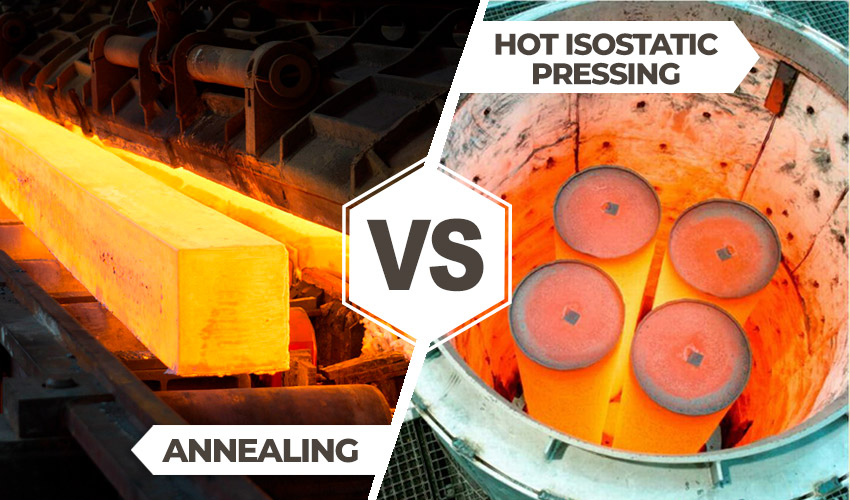
As **3D printing** continues to industrialize, **post-processing** is becoming increasingly important. Two commonly used heat treatment processes, **hot isostatic pressing (HIP)** and **annealing**, are used to improve the properties of **3D printed parts**. Both techniques are compatible with **metal processes**, including **LPBF**, **EBM**, **binder jetting**, **DED**, and **nanoparticle jetting**. They can also be used with **ceramics** and **polymers**, although to differing extents. [[3d-printing|3D printing]] has revolutionized the manufacturing industry, and understanding the differences between **HIP** and **annealing** is crucial for optimizing **3D printed parts**. [[additive-manufacturing|Additive manufacturing]] has enabled the creation of complex geometries and customized products, but **post-processing** is necessary to ensure the quality and reliability of these products. [[metal-3d-printing|Metal 3D printing]] is a key application of **HIP** and **annealing**, as it requires high-strength and high-density materials.
Key Takeaways
- **HIP** and **annealing** are two commonly used heat treatment processes in **3D printing**
- **HIP** is used to eliminate porosity and increase density in **3D printed parts**
- **Annealing** is used to relieve internal stresses and improve material properties in **3D printed parts**
- The choice of **HIP** or **annealing** depends on the specific requirements of the **3D printed part**
- Understanding the differences between **HIP** and **annealing** is crucial for optimizing **3D printed parts**
Balanced Perspective
The choice between **HIP** and **annealing** depends on the specific requirements of the **3D printed part**. Both techniques have their advantages and disadvantages, and the selection of the appropriate technique depends on the material, geometry, and intended application of the part. **HIP** is ideal for eliminating porosity and increasing density, while **annealing** is suitable for relieving internal stresses and improving material properties. Understanding the differences between **HIP** and **annealing** is crucial for optimizing **3D printed parts**, and the choice of technique should be based on the specific needs of the part. [[3d-printing-materials|3D printing materials]] play a critical role in determining the suitability of **HIP** and **annealing**, and the selection of the appropriate material is essential for achieving the desired properties.
Optimistic View
The use of **HIP** and **annealing** in **3D printing** has the potential to revolutionize the manufacturing industry. These techniques can improve the properties of **3D printed parts**, making them stronger and more durable. With the ability to create complex geometries and customized products, **3D printing** has the potential to disrupt traditional manufacturing methods. [[hot-isostatic-pressing|HIP]] and **annealing** are essential for optimizing **3D printed parts**, and their use is expected to increase as the industry continues to grow. The benefits of **HIP** and **annealing** include improved material properties, increased density, and reduced porosity, making them ideal for **aerospace**, **automotive**, and **medical** applications.
Critical View
The use of **HIP** and **annealing** in **3D printing** is not without its challenges. The high cost and complexity of these techniques can make them inaccessible to small-scale manufacturers and hobbyists. Additionally, the limited availability of **HIP** and **annealing** equipment can restrict the widespread adoption of these techniques. The lack of standardization in **3D printing** can also make it difficult to ensure the quality and reliability of **3D printed parts**, even with the use of **HIP** and **annealing**. Furthermore, the environmental impact of **3D printing** and **post-processing** techniques is a concern that needs to be addressed. [[sustainable-manufacturing|Sustainable manufacturing]] practices are essential for reducing the environmental footprint of **3D printing** and **post-processing** techniques.
Source
Originally reported by 3Dnatives